You want to protect your home from pests without exposing your family or pets to harmful chemicals pest control spray. Eco-friendly pest control uses natural ingredients and sustainable methods that prioritize safety and effectiveness. By understanding common pest challenges and adopting targeted strategies, you can reduce risks and maintain a healthier living space. But what specific techniques and services truly balance pest management with environmental responsibility?

Common Household Pests and Why Eco-Friendly Control Matters
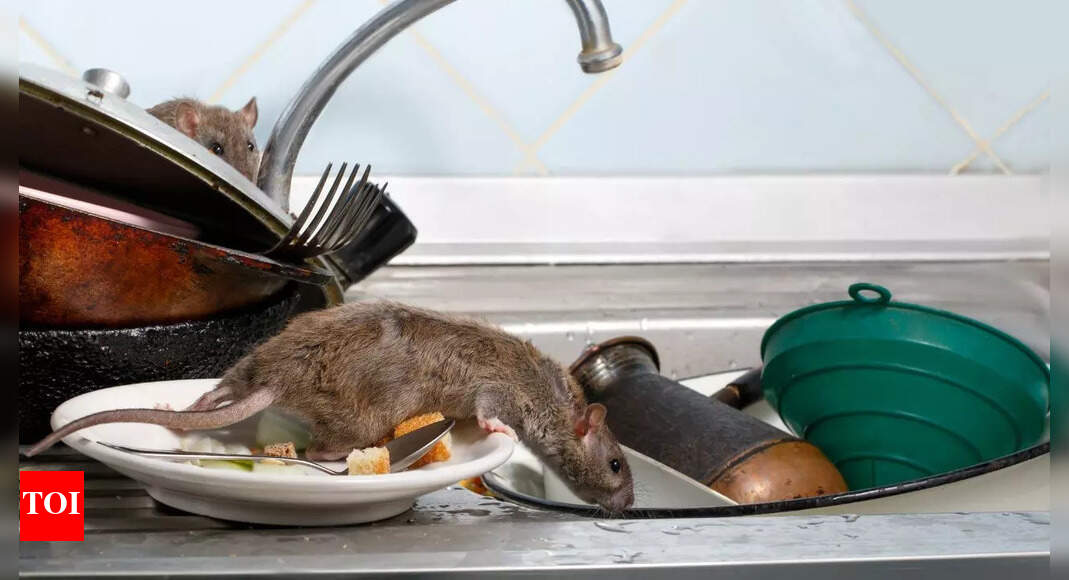
Why should you reconsider conventional methods when dealing with common household pests like ants, cockroaches, and rodents? Traditional pest control often relies on chemical pesticides that pose risks to your health, pets, and the environment. These substances can linger indoors, causing respiratory issues or allergic reactions.
Additionally, pests may develop resistance igreenasia, rendering treatments ineffective over time. Eco-friendly control focuses on minimizing these risks by using targeted, sustainable approaches that disrupt pest behavior without harmful residues.
Natural Ingredients That Keep Your Home Safe and Pest-Free
Although conventional pesticides are widespread, natural ingredients offer effective alternatives that prioritize safety and sustainability. You can rely on these eco-friendly substances to control pests without exposing your family or pets to harmful chemicals.
Scientific studies support their efficacy, making them viable choices for maintaining a healthy home environment. Consider incorporating these natural ingredients:
- Diatomaceous Earth: Causes dehydration in insects by disrupting their exoskeletons.
- Neem Oil: Interferes with insect hormone systems, reducing reproduction and feeding.
- Essential Oils (e.g., peppermint, eucalyptus): Act as repellents by masking scents pests use to locate hosts.
- Boric Acid: Functions as a stomach poison for insects but is low in toxicity to mammals.
Simple DIY Eco-Friendly Pest Control Techniques for Families
When you choose simple DIY eco-friendly pest control techniques, you not only reduce chemical exposure but also create a sustainable environment for your family. Start by sealing entry points like cracks and gaps to prevent pests from entering. Regularly clean food crumbs and standing water, which attract insects.
Use natural repellents such as peppermint oil or diatomaceous earth; studies show they effectively deter common pests without harming your household. Introducing beneficial insects like ladybugs can control aphid populations organically.
Rotate these methods to avoid pest adaptation. These strategies empower you to manage pests independently while minimizing environmental impact, preserving your family’s health, and maintaining home safety.
Choosing Professional Green Pest Control Services for Pets
Because pets are particularly vulnerable to harmful chemicals, choosing professional green pest control services guarantees their safety while effectively managing infestations.
When you opt for these services, you guarantee that treatments use non-toxic, biodegradable products proven safe for animals.
Professionals tailor strategies to minimize risk and maximize efficacy.
To choose the right service, consider these factors:
- Certification in eco-friendly pest control methods
- Use of pet-safe, low-impact pesticides approved by regulatory bodies
- Transparent communication about products and procedures
- Customized treatment plans addressing specific pest issues without compromising pet health
Preventing Pest Problems With Eco-Friendly Home Maintenance
Protecting your pets from harmful chemicals through professional green pest control is a vital step, but maintaining an eco-friendly environment at home plays an equally important role in preventing infestations.
You can reduce pest attraction by sealing entry points and fixing leaks, which eliminate moisture sources that pests rely on. Regularly cleaning and decluttering disrupts pest habitats, minimizing breeding grounds.
Landscaping choices also matter—use native plants and avoid dense vegetation near your home’s foundation to discourage pests. Additionally, proper food storage in sealed containers limits access to attractants.
Research shows these maintenance habits considerably lower infestation risks without chemical use, preserving your home’s ecosystem and your family’s health.
Conclusion
By choosing eco-friendly pest control methods, you actively protect your family, pets, and the environment from harmful chemicals. Utilizing natural ingredients, sealing entry points, and maintaining a clean home reduces pest risks effectively. When needed, opting for certified green professionals guarantees safe, tailored treatments. These evidence-based practices not only manage pests efficiently but also support long-term health and sustainability, making your home safer and more resilient against infestations without compromising wellbeing.
…